


Pressure Ulcer Prevention - No thank you
On occasions, individuals may decline a suggested care intervention which may lead to increased risk and conflict with staff wishing to add in these interventions. This webinar explores why people may make decisions about their care that healthcare professionals find challenging. Why HCPs find these decisions challenging. What national guidance there is around this topic. What you can do when a person decides not to adhere to suggested care interventions.
Learning Outcomes
- To consider why people may decline care interventions
- To be aware of national guidance and research into concordance/adherence
- To be aware of shared decision-making and what this means
- To understand what to do when concordance cannot be achieved
Meet our Experts
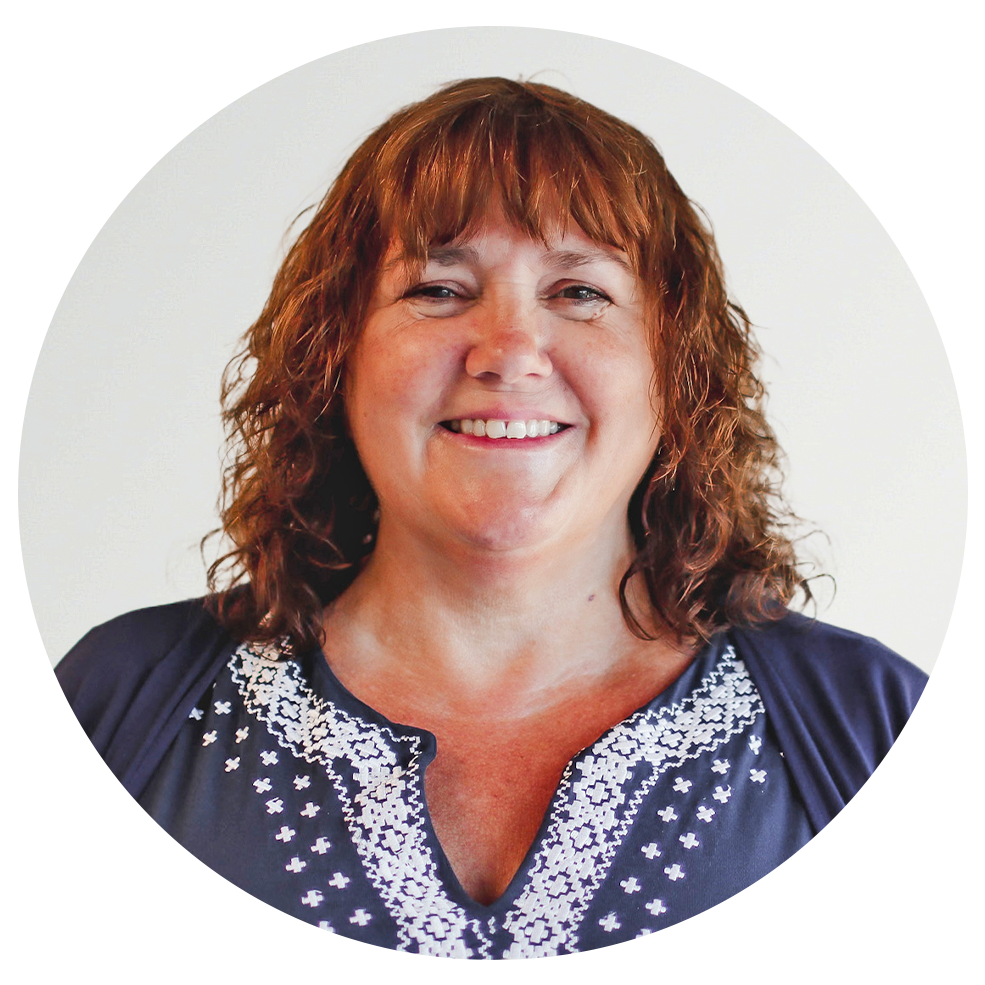
Heidi has been a Tissue Viability Nurse since 2002. Her interest and passion in the prevention and management of pressure ulcers began, however, in 1987 on registering as a nurse. She has worked in both acute and community care.
People who watched this also watched...
Contractures: what are they and what you can do?
This webinar explores how contractures develop and impact daily function and occupational performance. It will cover client-centered risk factors, particularly in neurologically impaired individuals, and highlight the role of therapeutic seating in preventing and managing contractures through posture support and improved function.
Tissue Viability - What OTs need to know and how they can help
This 4-part webinar series explores the complexities of preventing and managing pressure ulcers in community settings, covering topics such as skin care, patient decision-making and the critical roles of nutrition, hydration and posture.
Designing for dementia: Facts Fiction and Finesse
In this webinar we explore dementia from a design and clinical aspect, looking at types and symptoms and how we design our care homes for the future.