


Foot care in Diabetes with Graham Bowen: the importance of early action
Graham will cover the key aspects of diabetes foot disease, underpinned by The Internal Working Group Diabetic Foot and will focus on strategies to heal foot ulceration and prevent amputation. Graham will reference the evidence based practice for the management of foot disease, supported by clinical case studies that will cover areas of:
- Offloading
- Infection management
- Wound care
- Debridement
- Vascular supply on diabetes
Learning Outcomes
By the end of this webinar, attendees will be able to:
- Identify foot risk and what makes the foot in diabetes so vulnerable to trauma and tissue loss
- Understand why is it so key to heal a patients first episode of ulceration
- Review offloading the foot and understand the barriers that offloading can present
- Review the challenges around foot infection for a patient
Meet our Experts
.png)
With over 38 years of clinical experience working in various NHS clinical and leadership positions across the country and internationally, Graham is at present the Consultant Practitioner Podiatry for Hampshire and Isle of Wight Healthcare NHS Foundation Trust covering the Hampshire and Isle of Wight ICB areas of Portsmouth, Southampton and Hampshire.
Graham’s clinical practice for the last 35 years in in the Foot in Diabetes – from prevention to the acute management of diabetes related foot disease. Graham has a keen interest in joined working across all sectors to improve clinical outcomes for patient with diabetes foot disease. He leads the Diabetes Foot MDT at University Hospital Southampton. Graham has a passion for innovation in diabetes related interventions and products that will improve outcomes for patients.
He has presented both nationally, internally and has a range of publication on treatment and management of diabetes foot disease
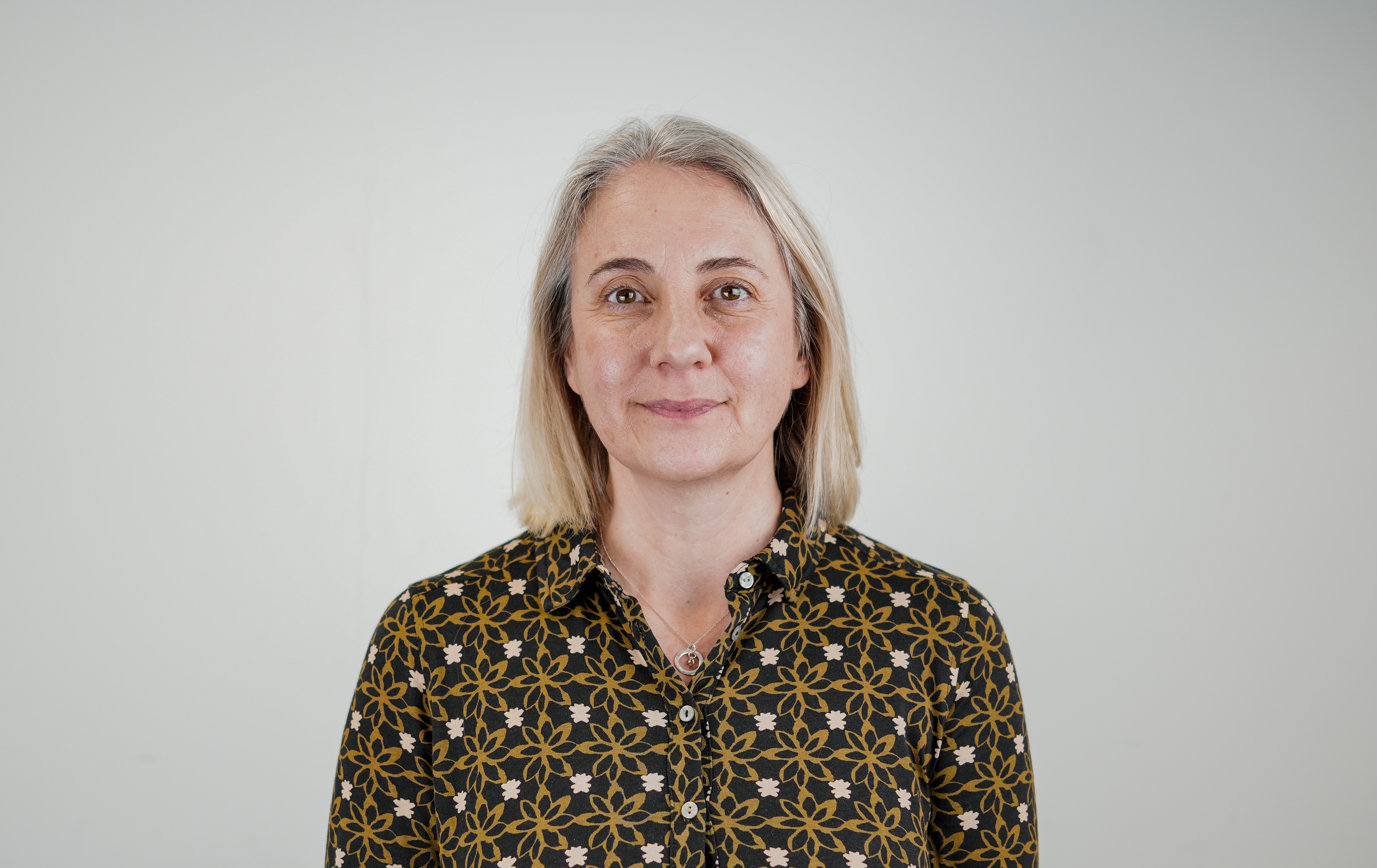
Philippa qualified as a nurse in 1997 and quickly developed a passion for tissue viability while working in a hospital setting. Over the years she expanded her expertise through further education and clinical experience, leading to her first specialist Tissue Viability role in 2010. In this position she supported a nurse-led wound service and delivered education to healthcare staff on pressure ulcer prevention, wound management and best practice in patient care.
More recently, Philippa has worked as a Tissue Viability Nurse within community services, broadening her clinical perspective and strengthening her commitment to preventative care. By joining Accora, she is excited to champion the vital role of prevention in pressure ulcer management and support improved outcomes for patients.
People who watched this also watched...
The importance and impact of good transfer on seating
A wonderful multi-function chair loses its charm if the person using it has difficulties getting in and out. In this two-part webinar, we will look at improving the harmony between the person and their seating during the standing and sitting process.
Mental Capacity Act
This session on the Mental Capacity Act will pick up on common questions asked by Occupational Therapists.
Pressure ulcers - To sit or not to sit
In this session we will explore the critical clinical reasoning process around whether you can sit out of bed with a pressure area. To celebrate OT week and Stop the pressure week, we wish to recognise the importance of collaborative working.
This session will explore the risks of sitting and the risks of staying in bed. We wish to help clients make informed seating decisions to promote comfort, healing, function and overall well being.