


Clinical voices at the table: representation, regulation in practice and HIQA readiness
In this webinar, Shane explores the vital role experienced nurses play in influencing government policy, funding decisions, and regulation within the care sector. He examines the real-world impact of care and welfare regulations on nursing homes and clinical teams, shares practical, experience-led approaches to HIQA preparedness, and discusses the potential for a new cost-of-care funding model that aligns resources with individual clinical need to improve sustainability and equity across the sector.
Learning Outcomes
- The critical role of experienced nurses in shaping government policy, allocation of funding and regulatory decisions that affect care delivery.
- The real world impact of care and welfare regulations on nursing homes and clinical staff.
- Practical, experience led approaches to HIQA preparedness.
- The potential for a new cost-of-care funding model in which funding follows the individual through their care journey, aligning resources with clinical need and improving sustainability and equity across the nursing home sector.
Meet our Experts
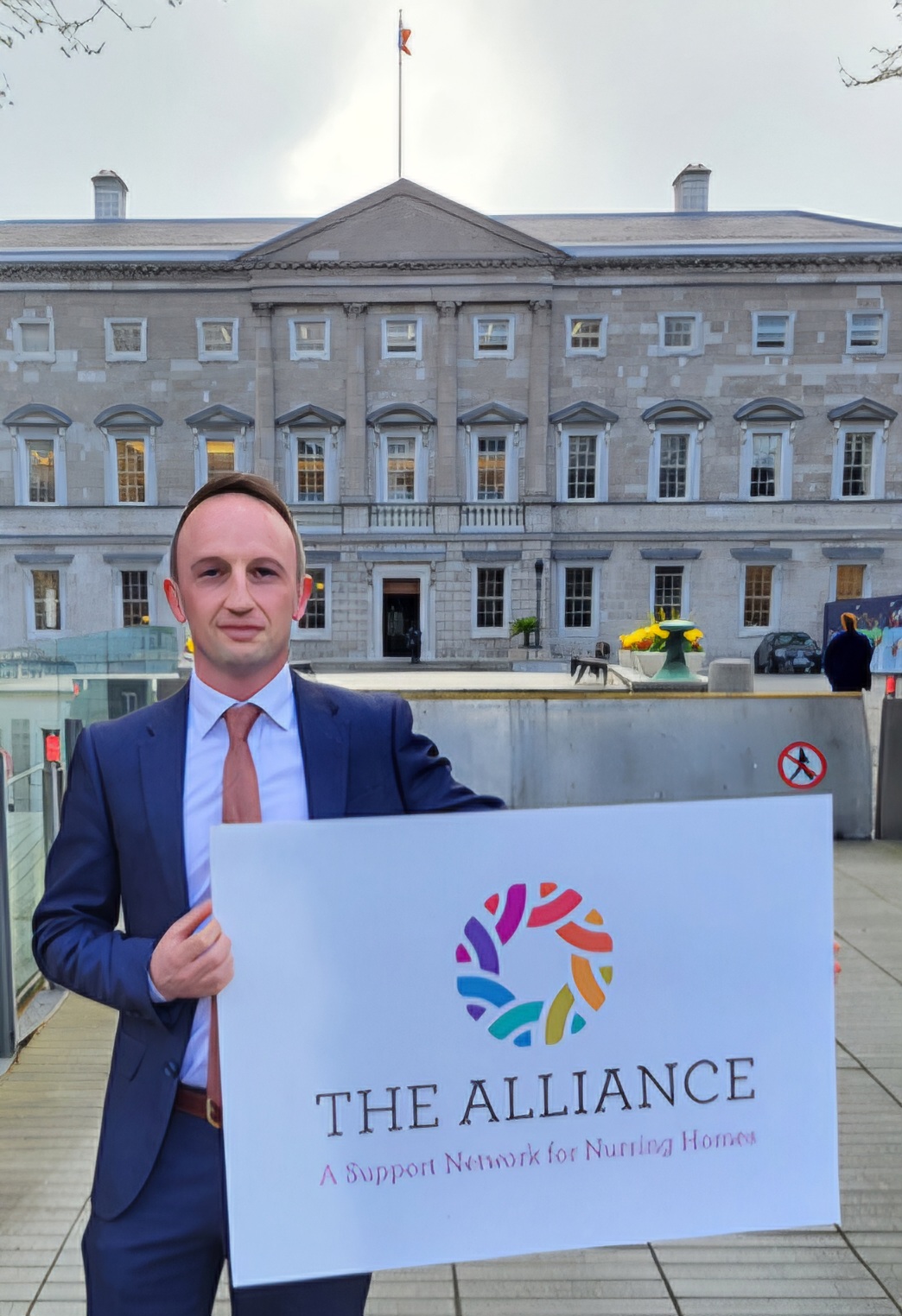
Shane Scanlan is CEO of The Alliance - Supporting Nursing Homes, a trade association representing nursing home providers across Ireland. In this role, he works closely with care providers, clinical leaders, regulators and government to shape policy, regulation and funding decisions that directly affect long-term residential care.Shane brings over 10 years’ experience as a Director of Nursing in the nursing home sector. His work is firmly rooted in day-to-day clinical leadership and service delivery, and he understands first hand the pressures facing nursing homes, nursing staff and residents.Working at the junction of clinical practice, regulation and government engagement, Shane is a strong advocate for proper representation of nursing homes at national level. He consistently makes the case that care and welfare regulations must reflect clinical reality, operational pressures and financial sustainability if they are to work on the ground and genuinely support safe, high quality care.His experience includes ongoing engagement with government, regulators, the department of health and other sector stakeholders, promoting policy and regulatory approaches that are clear, consistent and workable in practice, not just well intended on paper.
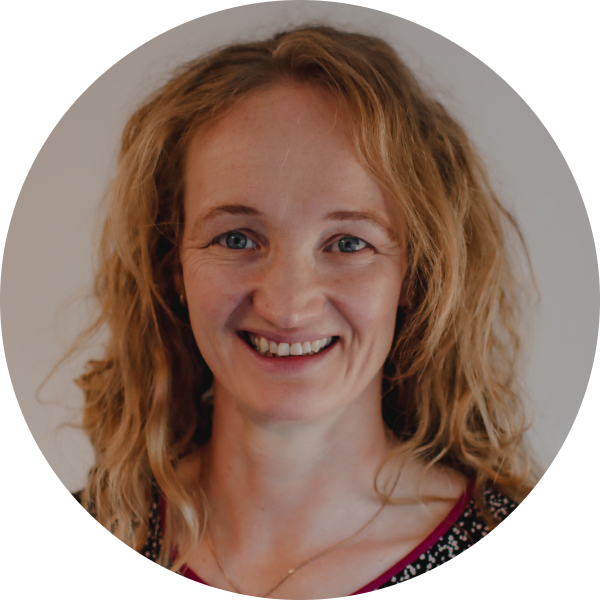
Nicky is a dedicated Occupational Therapist with over 16 years of experience, specialising in disability, posture, and seating. She has worked in both in patient and community settings, and most recently served as a seating therapist within the HSE.
People who watched this also watched...
Bed standards and siderail provision-it’s still a hot topic!
This webinar addresses the recent MHRA alert on bed rails and levers, focusing on compliance with the National Patient Safety Alert. We'll cover risk assessment essentials and alternative bed fall management solutions.
Concepts behind an evidence-based falls prevention programme for older people: Stepping On
Megan Swann is a Consultant Occupational Therapist Master Trainer and Co-author of the Stepping On falls prevention programme in Australia NSW. She has over 30 years of experience. Stepping On, an evidence based programme, aims to equip participants with the knowledge, strength and confidence to prevent falls, stay active and remain independent.
The programme whilst founded in Australia by two Occupational Therapists is also now in 17 states of the US and a manual has been written for Spanish speakers in the US: www.steppingon.com.
She continues to run and train allied health workers to become Stepping On facilitators.
From assessment to application: mastering toiletting slings and standing hoists
This webinar provides occupational therapists with evidence-based guidance on the safe and effective use of toiletting slings and standing hoists in clinical and community settings. Participants will explore clinical reasoning for equipment selection, correct application techniques, and common risks associated with misuse. Through practical examples and problem-solving scenarios, the session will support therapists to optimise client safety, dignity, and functional participation while reducing the risk of injury to clients and carers.