


24-Hour care: the person centred approach
Join us for an upcoming webinar exploring the theme of person-centred care through a truly multidisciplinary lens. This engaging session brings together a panel of experienced clinicians and specialists to share their perspectives on what person-centred care means in practice.
Featuring Occupational Therapists Nicola Murphy and Jayne Brewer, Tissue Viability Nurse Sarah Thompson, and Accora Product Specialists Dean Curson and Tom Waplington-both formerly practising physiotherapists- this webinar offers a unique opportunity to hear from a diverse range of professional voices.
Through an open and interactive discussion, our speakers will explore how person-centred care is understood and applied across different roles and settings, offering practical insights that attendees can take back into their own practice.
Learning Outcomes
Bythe end of this webinar, attendees will be able to:
- Describe what person-centred care means from a range of professional perspectives
- Compare how different disciplines approach and apply person-centred care in practice
- Recognise the value of multidisciplinary collaboration in delivering effective, individualised care
- Reflect on their own practice and identify opportunities to strengthen person-centred approaches
- Apply shared insights from the discussion to support more holistic, patient-focused care in their setting
Meet our Experts

Nicola Murphy is a dedicated and compassionate Occupational Therapist with experience within the inpatient, outpatient, and community settings. Her experience spans across many specialities including oncology, surgery/ vascular, wheelchairs services, and elderly care.

Jayne qualified as an OT in 1996 and has a wide range of clinical experience in acute and community settings. Her recent experience has been in Community Equipment Stores providing training and support to prescribers and commissioners.
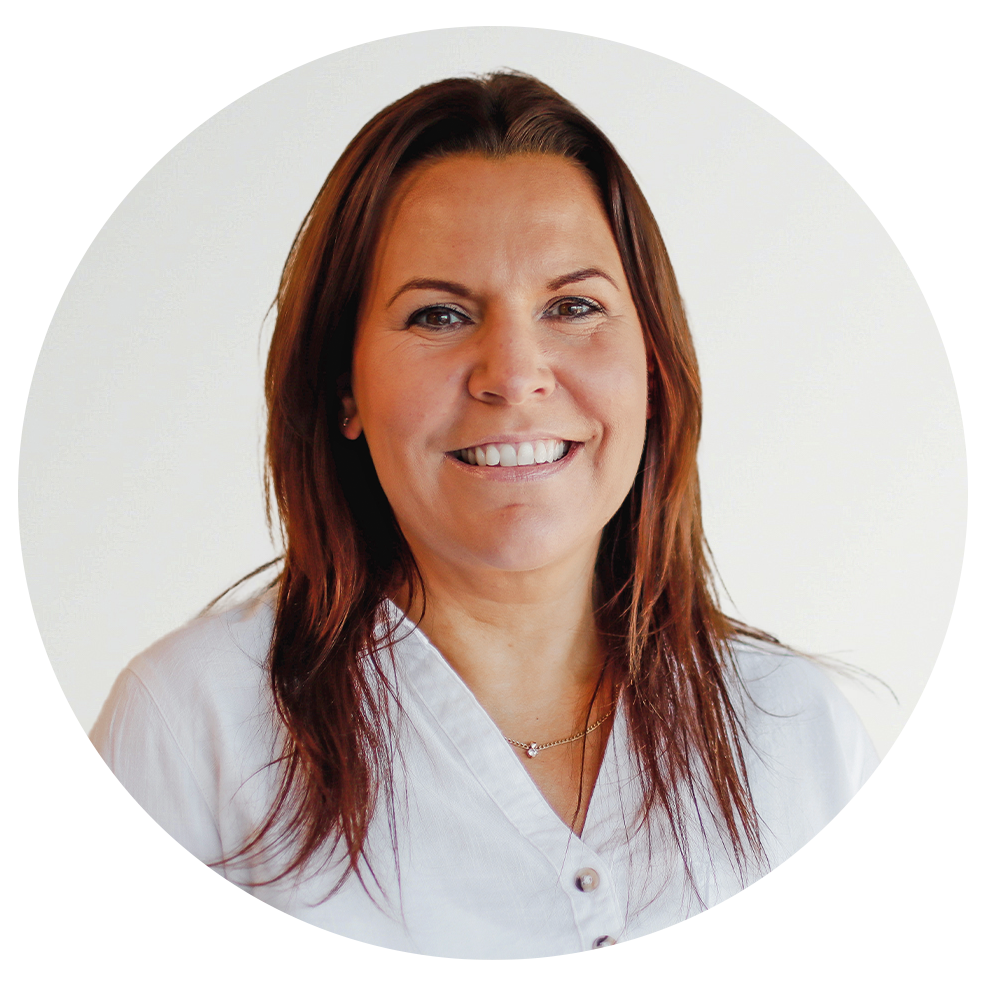
Sarah has always had a keen interest in Tissue Viability since becoming a registered nurse in 2002. Her experience varies from within a community setting, where she completed her Tissue Viability based degree in 2007. She then worked within the private sector to gain additional advanced wound care skills whilst working with a medical devices company specialised in wound healing. In 2010, Sarah became a Tissue Viability Nurse and shaped a specialised service within the acute sector for 7 years before returning to the community setting as a TVN.


People who watched this also watched...
Practical assistive technology in elderly care: safe and smart solutions
This one-hour webinar will provide a practical, clinically focused overview of assistive technology options ranging from mainstream devices to affordable specialist equipment. The session will explore equipment that can promote safety without compromising independence.
Participants will leave with a clearer clinical reasoning framework for matching technology to clinical needs, enabling more confident and cost-effective recommendations in both community and residential settings.
Remote assessments and occupational therapy: Legal framework and practical implications
This webinar explores the legal context of remote assessments in health and social care – that is, law relevant to the meeting of people’s needs, their safety and the safety of practitioners. The legal context will include: Care Act 2014, NHS Act 2006, Health and Safety at Work Act 1974 and associated regulations as well as the question of possible common law liability for negligence.
Beyond comfort: the clinical impact of specialist seating
Seating is more than just comfort—it plays a crucial role in supporting posture, pressure care, and overall well-being. This webinar explores the clinical considerations behind prescribing specialist seating, helping you navigate key factors such as postural support, pressure management, and individual fit. Using case-based reasoning, we’ll discuss how different seating solutions can enhance independence, reduce risk, and improve outcomes for service users with complex needs.